NFBR #2
OR106754594
Where are you mining this year and the next?
THE CURRENT PRICE OF GOLD IS OVER $4000 AN OUNCE - A GREAT TIME TO OWN A GOLD MINE!
20-acre Gold Mining Claim on the LEGENDARY North Fork Burnt River Oregon!!
IT’S SISTER CLAIM THAT’S ADJOINING – NFBR #1 – IS FOR SALE AS WELL, PICK UP BOTH FOR AN EPIC 40-ACRE CLAIM ON THE NORTH FORK BURNT RIVER!!!
Where are you mining this year and the next?
This fantastic 20-acre mining claim is on the legendary North Fork Burnt River seven miles downstream from the huge gold strikes in Greenhorn and the confluences of multiple headwaters. It is not within the essential salmonid exclusion zone in Oregon and is available for suction dredging. Access to the claims is extremely easy - they're right off of Greenhorn road, with old mining access roads spanning both claims. Multiple exposed high benches with both bedrock and false bedrock - areas the old-timers desperately sought after and seemingly have missed on these claims. Golden Ember sits among the rural highlands outside of Granite, Greenhorn, and Sumpter Oregon, dead center of the very rich Eastern Oregon strikes. There is no evidence of heavy prior workings nor dredging on the claim!
The town of Greenhorn, at 6,300 feet in elevation, is Oregon’s highest incorporated city. It served as a gold-rush boomtown from the 1865 discovery of gold at Robinsonville, about five miles to the north, until the closure of the large mines at Ben Harrison Peak, in about 1940.
The name Greenhorn stems from a large, green-colored monolith, known as the “green horn,” that was visible for miles and which served as a directional marker in many mining claim descriptions. Most of the Greenhorns are now protected as part of the North Fork, John Day River Wilderness Area. Although the range is small, about ten miles long and eight miles wide, it harbors a disproportionate amount of Oregon’s geologic and mining history.
The geology of the Greenhorn Mountains is part of the Baker Terrane rocks that were deposited and developed far from North America and then were added to the continent through plate tectonic processes about 140 million years ago. Most of the Greenhorns are a zone of faulted, folded, and mixed rocks called a mélange. There is no stratigraphic order, and the rocks range in age from Devonian to Jurassic. These large chunks of rock, up to a kilometer or more in diameter, are called “knockers” by geologists. They vary in type and include gabbro, chert, argillite, greenstones, and limestone. The matrix that holds them together is the green, scaly rock serpentinite—actually metamorphosed peridotite, which is rock from the Earth’s upper mantle. The best interpretation is that the Greenhorn mélange represents an ancient subduction zone, a conclusion that is corroborated by the presence of relatively high-pressure, low-temperature metamorphic rocks that are only produced in subduction zones.
Two intrusions of granitic rocks—Sunrise Butte and Ben Harrison Peak—occupy the western part of the Greenhorns. Dated at 150 to 160 million years ago, they were the likely source of the heat and fluids that generated the Greenhorns’ copious gold deposits. Major mines included the Ben Harrison, Bonanza, Red Boy, and Pyx. Many placer mines and hydraulic mines operated as well. Chinese laborers and, later, Chinese miners worked the area and built an extensive system of ditches to bring water from streams to dryland placer operations.
About 80 gold mines operated in the Greenhorn District. Not all were productive. Total gold produced in the district likely exceeded $3 million, including $1.5 million from placer deposits, $900,000 from the Bonanza mine, and $1 million from the Red Boy mine. Placer miners and prospectors continue to explore the area and to file and work claims.
Even though gold production dropped off precipitously after 1942, it was due to the young men having to go to war, the gold is still in the river and the ground, just waiting to be found.
The surrounding area around Greenhorn remains not only a hot bed of amazing color coming out of the ground, but the hiking, scenery, fishing, as well as site seeing of nearby Sumpter is an opportunity not to be missed.
RECLAMATION DREDGING IS NOW LEGAL IN OREGON!
I'll be more than happy to walk you through the process - and it does not need yet another fee driven permit!
Claim Name: NFBR #2
Claim Number: OR106754594
Coordinates:
NW: 44.617654464253214, -118.25215892674264
NE: 44.617638942289055, -118.2494183633537
SE: 44.613873814912345, -118.24944404013246
SW: 44.61388095689446, -118.25214557598927
NOTE You are bidding on 100% ownership of the entire claim.
Here's what the winning bidder will receive:
* Exclusive mineral rights to the land - as long as you keep up with the maintenance payments to BLM yearly, it cannot be taken away from you.
* A notarized quitclaim deed sent via UPS/FedEx with tracking information within 7 days of the winning bid and full payment received
* Paper and Digital map along with precise directions to your new claim!
* A new metal claim sign
* Our assistance - we're always happy to help and answer questions!
NOTE: You are welcome to visit the claim to do some sample panning yourself - only "Hands and Pans". Other methods remove way too much 'free' gold. Before you visit you need to email us your contact information including phone number and what you intend to do on the claim. If all sounds above board, we will email you approval - and you're off to the races!
IF YOU DO NOT KNOW WHAT AN UNPATENTED MINING CLAIM IS AND WHAT YOU WOULD BE BIDDING ON SPECIFICALLY, PLEASE REACH OUT AND ASK. The winning bid does NOT own the land, an "Unpatented Mining Claim" means you own the "Mineral Rights" to the land and NOT the land itself. The land itself is still owned by the Federal Government. All paperwork is current and has been filed with the BLM and county the claim is located in. You are responsible for knowing all the rules and regulations of what you are bidding on. If you have the successful bid, we will assume you know exactly what you bid on and will hold the bidder to paying for the claim.
You are allowed to prospect the surface material of your claim including panning, sluicing, dry washing, metal detecting, and rock hounding for all precious metals and minerals (not just gold).
As with ALL UNPATENTED MINING CLAIMS on Forest Service land, you must file a "Plan of Operation" for any extensive mining operations beyond casual prospecting with the U.S. Forest Service.
All paperwork and fees are current through September 1st, 2025. It is registered with BLM and recorded with the county as well.
You may not sell "sand and gravel" from your claim, only precious metals, and minerals. Check with the Bureau of Land Management if in doubt.
You may not build a personal residence of any kind.
You cannot (at this time)"patent" this, or any unpatented mining claim. Which means you cannot purchase the land from the Government for residential use. Mining claim "patents" have not been granted since 1992 and will take an act of Congress to do so again.
You may camp on your claim for two weeks if not prospecting, and you may camp virtually as long as you want if you are actively prospecting. Always check with BLM about extended camping related to prospecting. You can also recreate, hunt, quad, swim, horseback ride and do any activity besides prospect.
Once a placer claim is staked and filed with the proper agencies, it must be maintained on an annual basis. Proof that it is properly maintained must be filed with the appropriate County, and State office of the BLM on or before 12 noon, September 1st of each year.
Mining Claims are considered "real property" and as such, can be sold, leased, and transferred to family members. As long as you complete your paperwork and pay your yearly fees on time, your mining claim CANNOT be taken from you.
The owner of an unpatented mining claim may either, pay the annual $200.00 yearly maintenance fee or, perform a minimum of $100 worth of annual labor or improvements (EXAMPLE: Road improvement, clearing overgrown vegetation from access road, trash removal, etc.) on each claim by filing a Small Miners Waiver. You may file this waiver if you own 10 claims or less nationwide. (Check with the BLM for that fee amount.)
PAYMENT arrangement is due within 24 hours of the successful bid. We now accept Debit Card, Major Credit Cards, Zelle, Cash App, Venmo, Cashier's Check, Personal Check and Money Orders for payment. If paying by check, we will hold the quitclaim deed for 7 business days until payment clears both banks. If a payment agreement is struck, a non-refundable 25% good faith deposit will be required along with the payment terms.
We are real miners and prospectors and love to chat about all things gold mining and prospecting! Feel free to reach out to Mac at 425.476.0131
NFBR #2
OR106754594
Where are you mining this year and the next?
THE CURRENT PRICE OF GOLD IS OVER $4000 AN OUNCE - A GREAT TIME TO OWN A GOLD MINE!
20-acre Gold Mining Claim on the LEGENDARY North Fork Burnt River Oregon!!
IT’S SISTER CLAIM THAT’S ADJOINING – NFBR #1 – IS FOR SALE AS WELL, PICK UP BOTH FOR AN EPIC 40-ACRE CLAIM ON THE NORTH FORK BURNT RIVER!!!
Where are you mining this year and the next?
This fantastic 20-acre mining claim is on the legendary North Fork Burnt River seven miles downstream from the huge gold strikes in Greenhorn and the confluences of multiple headwaters. It is not within the essential salmonid exclusion zone in Oregon and is available for suction dredging. Access to the claims is extremely easy - they're right off of Greenhorn road, with old mining access roads spanning both claims. Multiple exposed high benches with both bedrock and false bedrock - areas the old-timers desperately sought after and seemingly have missed on these claims. Golden Ember sits among the rural highlands outside of Granite, Greenhorn, and Sumpter Oregon, dead center of the very rich Eastern Oregon strikes. There is no evidence of heavy prior workings nor dredging on the claim!
The town of Greenhorn, at 6,300 feet in elevation, is Oregon’s highest incorporated city. It served as a gold-rush boomtown from the 1865 discovery of gold at Robinsonville, about five miles to the north, until the closure of the large mines at Ben Harrison Peak, in about 1940.
The name Greenhorn stems from a large, green-colored monolith, known as the “green horn,” that was visible for miles and which served as a directional marker in many mining claim descriptions. Most of the Greenhorns are now protected as part of the North Fork, John Day River Wilderness Area. Although the range is small, about ten miles long and eight miles wide, it harbors a disproportionate amount of Oregon’s geologic and mining history.
The geology of the Greenhorn Mountains is part of the Baker Terrane rocks that were deposited and developed far from North America and then were added to the continent through plate tectonic processes about 140 million years ago. Most of the Greenhorns are a zone of faulted, folded, and mixed rocks called a mélange. There is no stratigraphic order, and the rocks range in age from Devonian to Jurassic. These large chunks of rock, up to a kilometer or more in diameter, are called “knockers” by geologists. They vary in type and include gabbro, chert, argillite, greenstones, and limestone. The matrix that holds them together is the green, scaly rock serpentinite—actually metamorphosed peridotite, which is rock from the Earth’s upper mantle. The best interpretation is that the Greenhorn mélange represents an ancient subduction zone, a conclusion that is corroborated by the presence of relatively high-pressure, low-temperature metamorphic rocks that are only produced in subduction zones.
Two intrusions of granitic rocks—Sunrise Butte and Ben Harrison Peak—occupy the western part of the Greenhorns. Dated at 150 to 160 million years ago, they were the likely source of the heat and fluids that generated the Greenhorns’ copious gold deposits. Major mines included the Ben Harrison, Bonanza, Red Boy, and Pyx. Many placer mines and hydraulic mines operated as well. Chinese laborers and, later, Chinese miners worked the area and built an extensive system of ditches to bring water from streams to dryland placer operations.
About 80 gold mines operated in the Greenhorn District. Not all were productive. Total gold produced in the district likely exceeded $3 million, including $1.5 million from placer deposits, $900,000 from the Bonanza mine, and $1 million from the Red Boy mine. Placer miners and prospectors continue to explore the area and to file and work claims.
Even though gold production dropped off precipitously after 1942, it was due to the young men having to go to war, the gold is still in the river and the ground, just waiting to be found.
The surrounding area around Greenhorn remains not only a hot bed of amazing color coming out of the ground, but the hiking, scenery, fishing, as well as site seeing of nearby Sumpter is an opportunity not to be missed.
RECLAMATION DREDGING IS NOW LEGAL IN OREGON!
I'll be more than happy to walk you through the process - and it does not need yet another fee driven permit!
Claim Name: NFBR #2
Claim Number: OR106754594
Coordinates:
NW: 44.617654464253214, -118.25215892674264
NE: 44.617638942289055, -118.2494183633537
SE: 44.613873814912345, -118.24944404013246
SW: 44.61388095689446, -118.25214557598927
NOTE You are bidding on 100% ownership of the entire claim.
Here's what the winning bidder will receive:
* Exclusive mineral rights to the land - as long as you keep up with the maintenance payments to BLM yearly, it cannot be taken away from you.
* A notarized quitclaim deed sent via UPS/FedEx with tracking information within 7 days of the winning bid and full payment received
* Paper and Digital map along with precise directions to your new claim!
* A new metal claim sign
* Our assistance - we're always happy to help and answer questions!
NOTE: You are welcome to visit the claim to do some sample panning yourself - only "Hands and Pans". Other methods remove way too much 'free' gold. Before you visit you need to email us your contact information including phone number and what you intend to do on the claim. If all sounds above board, we will email you approval - and you're off to the races!
IF YOU DO NOT KNOW WHAT AN UNPATENTED MINING CLAIM IS AND WHAT YOU WOULD BE BIDDING ON SPECIFICALLY, PLEASE REACH OUT AND ASK. The winning bid does NOT own the land, an "Unpatented Mining Claim" means you own the "Mineral Rights" to the land and NOT the land itself. The land itself is still owned by the Federal Government. All paperwork is current and has been filed with the BLM and county the claim is located in. You are responsible for knowing all the rules and regulations of what you are bidding on. If you have the successful bid, we will assume you know exactly what you bid on and will hold the bidder to paying for the claim.
You are allowed to prospect the surface material of your claim including panning, sluicing, dry washing, metal detecting, and rock hounding for all precious metals and minerals (not just gold).
As with ALL UNPATENTED MINING CLAIMS on Forest Service land, you must file a "Plan of Operation" for any extensive mining operations beyond casual prospecting with the U.S. Forest Service.
All paperwork and fees are current through September 1st, 2025. It is registered with BLM and recorded with the county as well.
You may not sell "sand and gravel" from your claim, only precious metals, and minerals. Check with the Bureau of Land Management if in doubt.
You may not build a personal residence of any kind.
You cannot (at this time)"patent" this, or any unpatented mining claim. Which means you cannot purchase the land from the Government for residential use. Mining claim "patents" have not been granted since 1992 and will take an act of Congress to do so again.
You may camp on your claim for two weeks if not prospecting, and you may camp virtually as long as you want if you are actively prospecting. Always check with BLM about extended camping related to prospecting. You can also recreate, hunt, quad, swim, horseback ride and do any activity besides prospect.
Once a placer claim is staked and filed with the proper agencies, it must be maintained on an annual basis. Proof that it is properly maintained must be filed with the appropriate County, and State office of the BLM on or before 12 noon, September 1st of each year.
Mining Claims are considered "real property" and as such, can be sold, leased, and transferred to family members. As long as you complete your paperwork and pay your yearly fees on time, your mining claim CANNOT be taken from you.
The owner of an unpatented mining claim may either, pay the annual $200.00 yearly maintenance fee or, perform a minimum of $100 worth of annual labor or improvements (EXAMPLE: Road improvement, clearing overgrown vegetation from access road, trash removal, etc.) on each claim by filing a Small Miners Waiver. You may file this waiver if you own 10 claims or less nationwide. (Check with the BLM for that fee amount.)
PAYMENT arrangement is due within 24 hours of the successful bid. We now accept Debit Card, Major Credit Cards, Zelle, Cash App, Venmo, Cashier's Check, Personal Check and Money Orders for payment. If paying by check, we will hold the quitclaim deed for 7 business days until payment clears both banks. If a payment agreement is struck, a non-refundable 25% good faith deposit will be required along with the payment terms.
We are real miners and prospectors and love to chat about all things gold mining and prospecting! Feel free to reach out to Mac at 425.476.0131
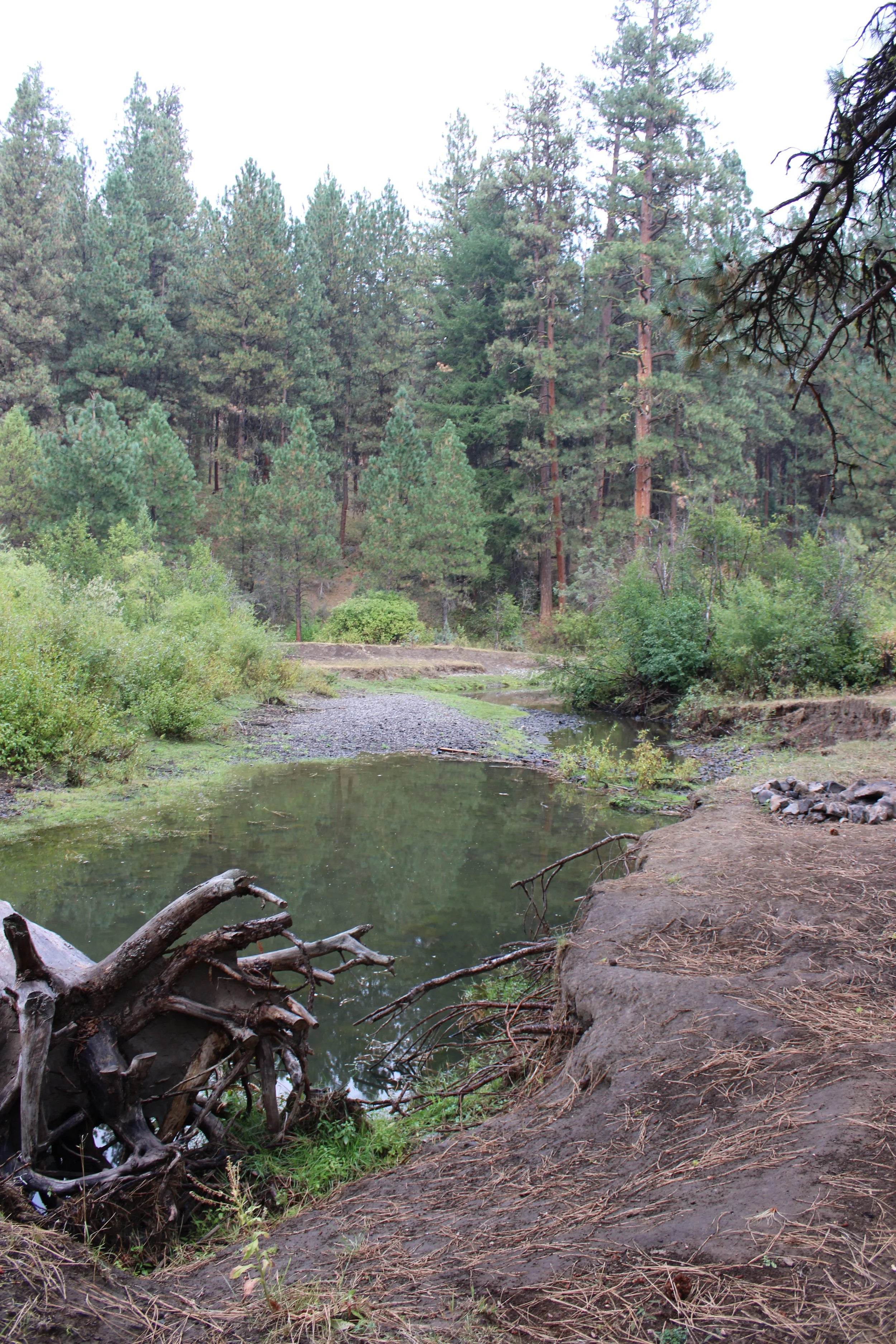 Image 1 of 21
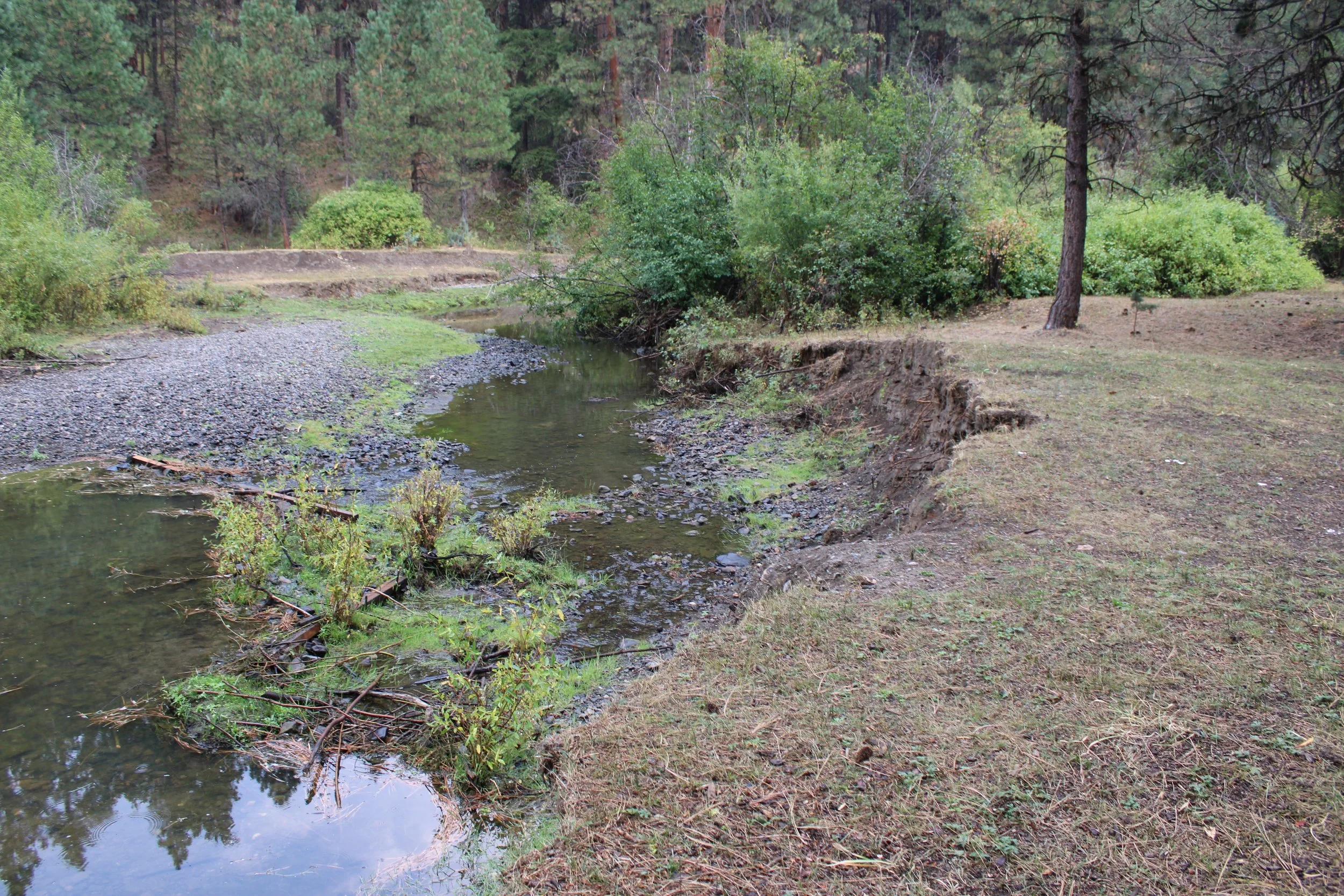 Image 2 of 21
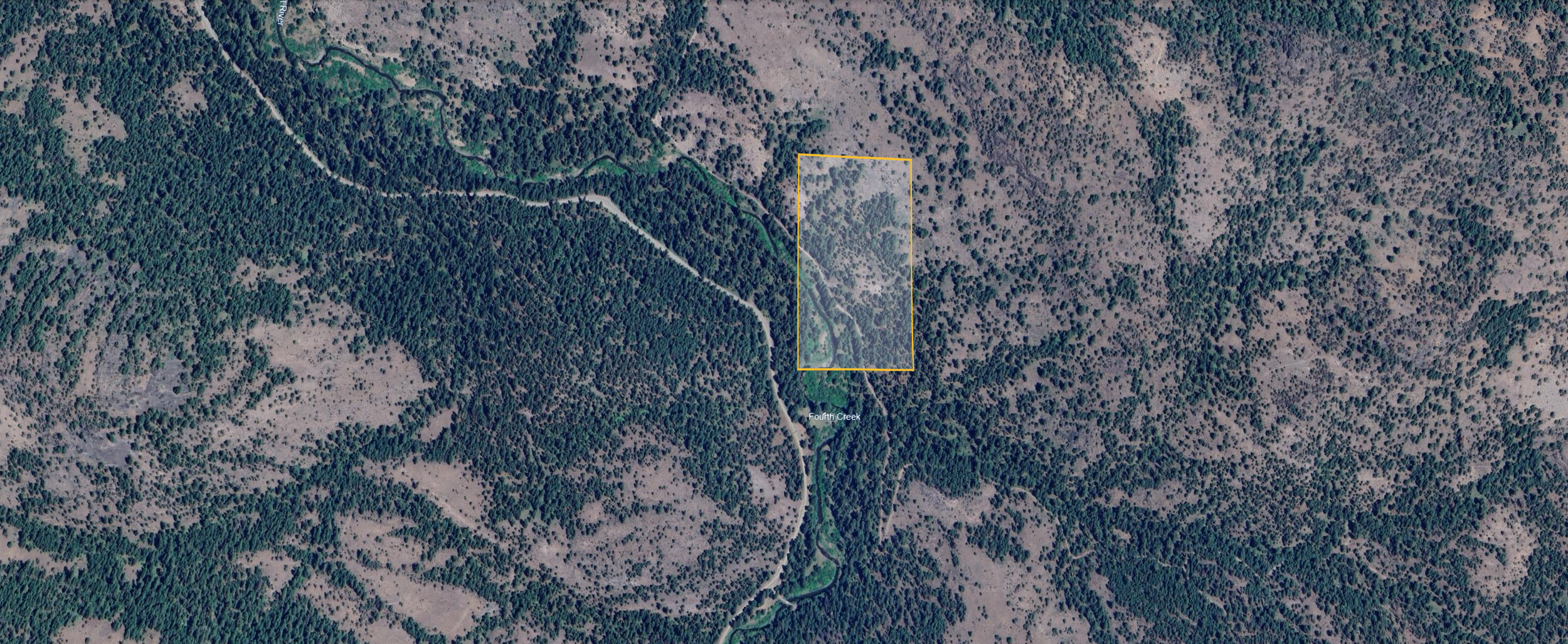 Image 3 of 21
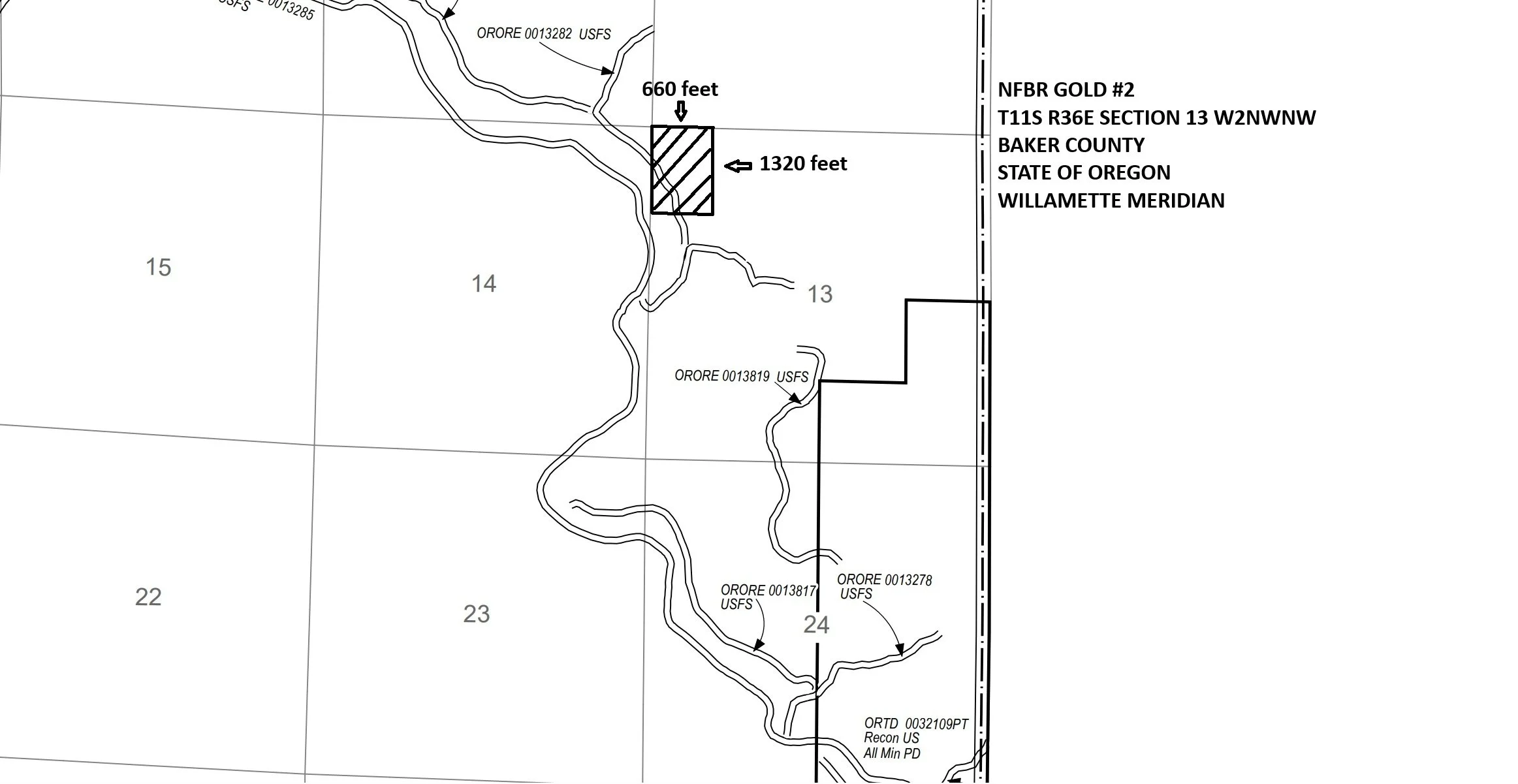 Image 4 of 21
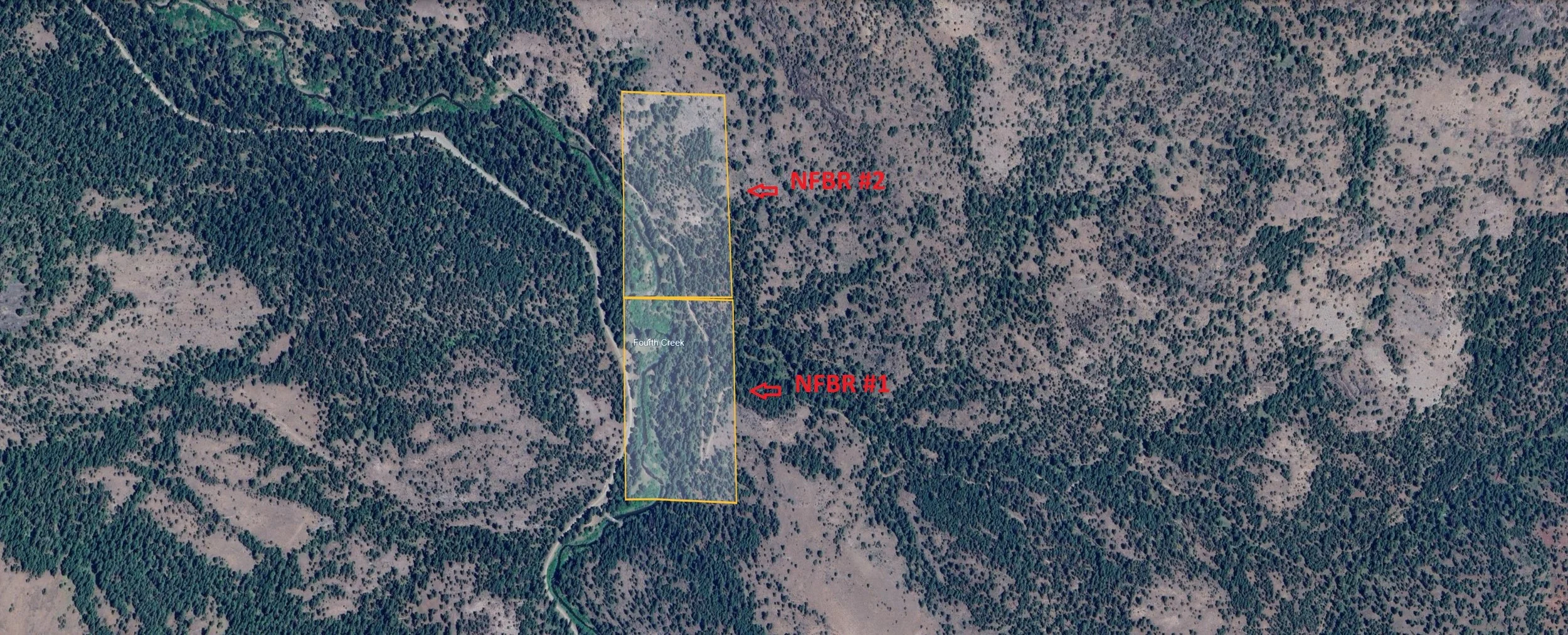 Image 5 of 21
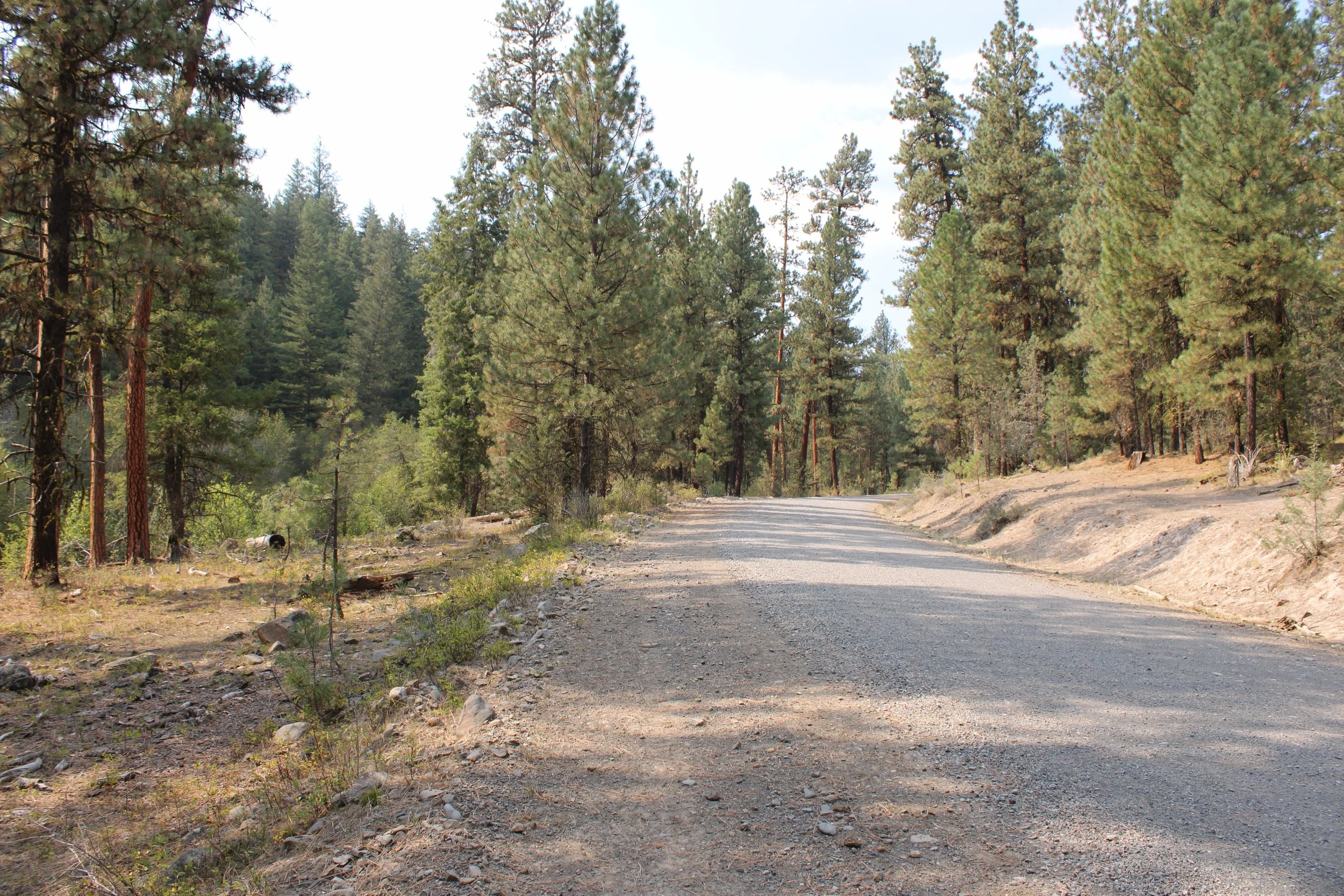 Image 6 of 21
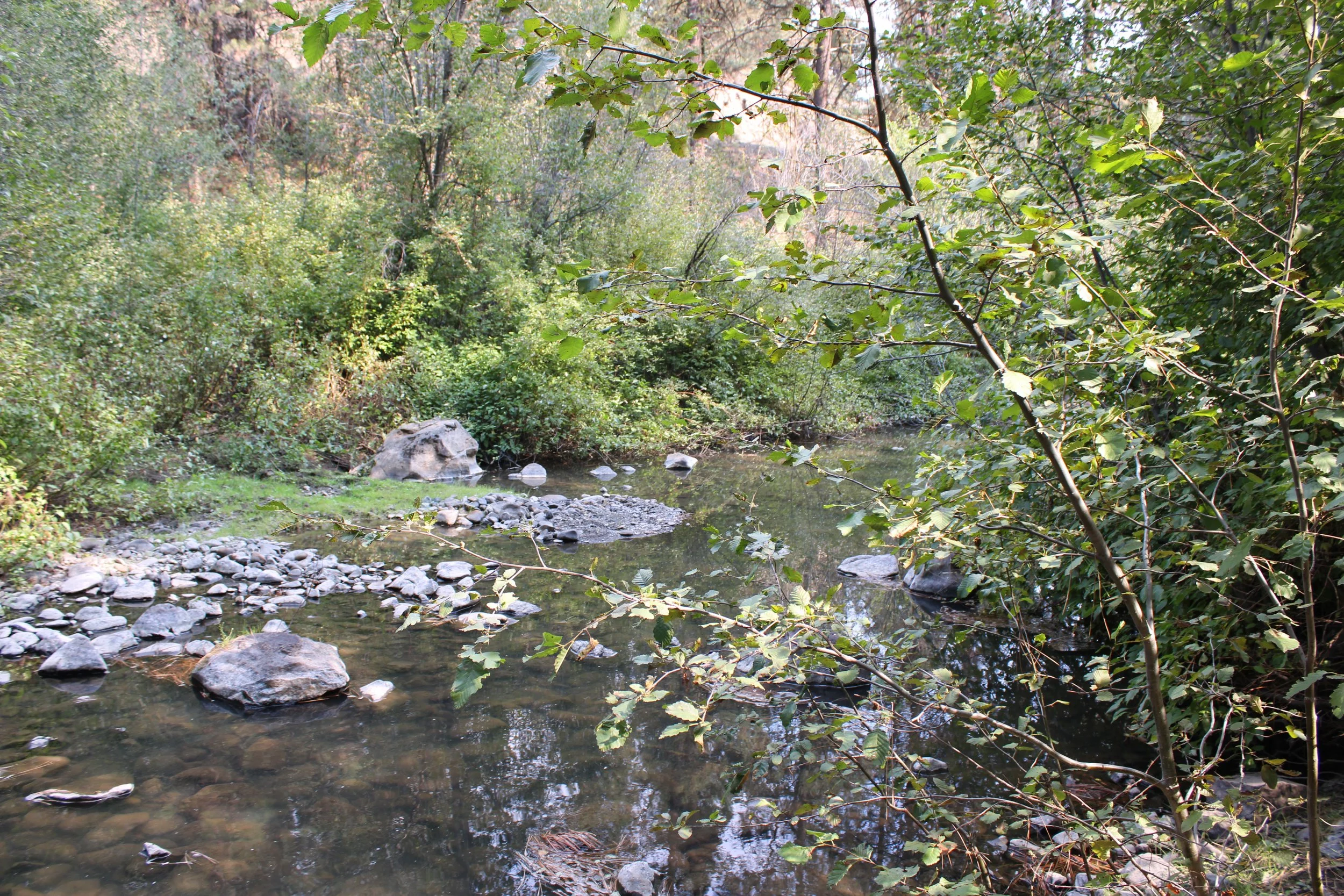 Image 7 of 21
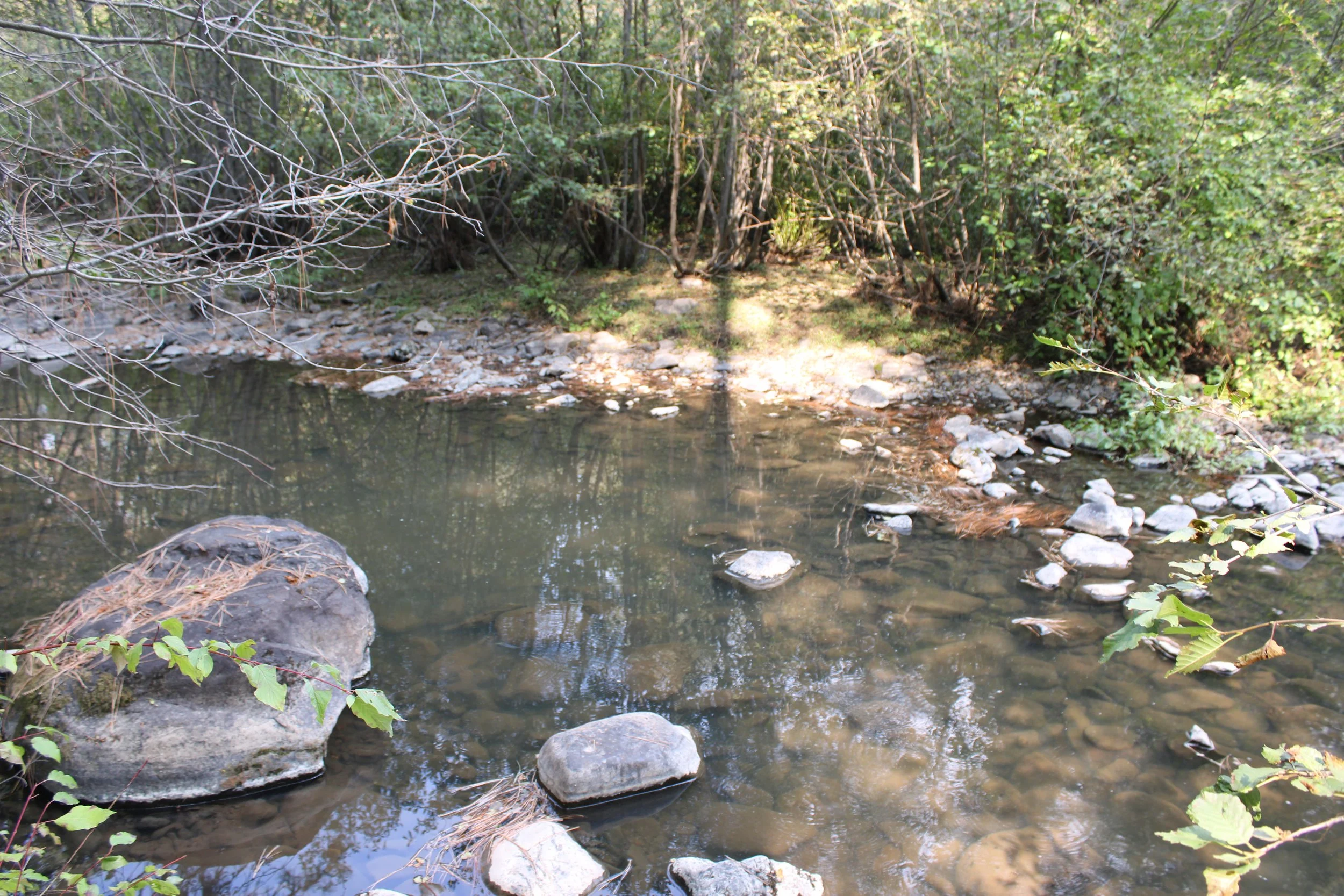 Image 8 of 21
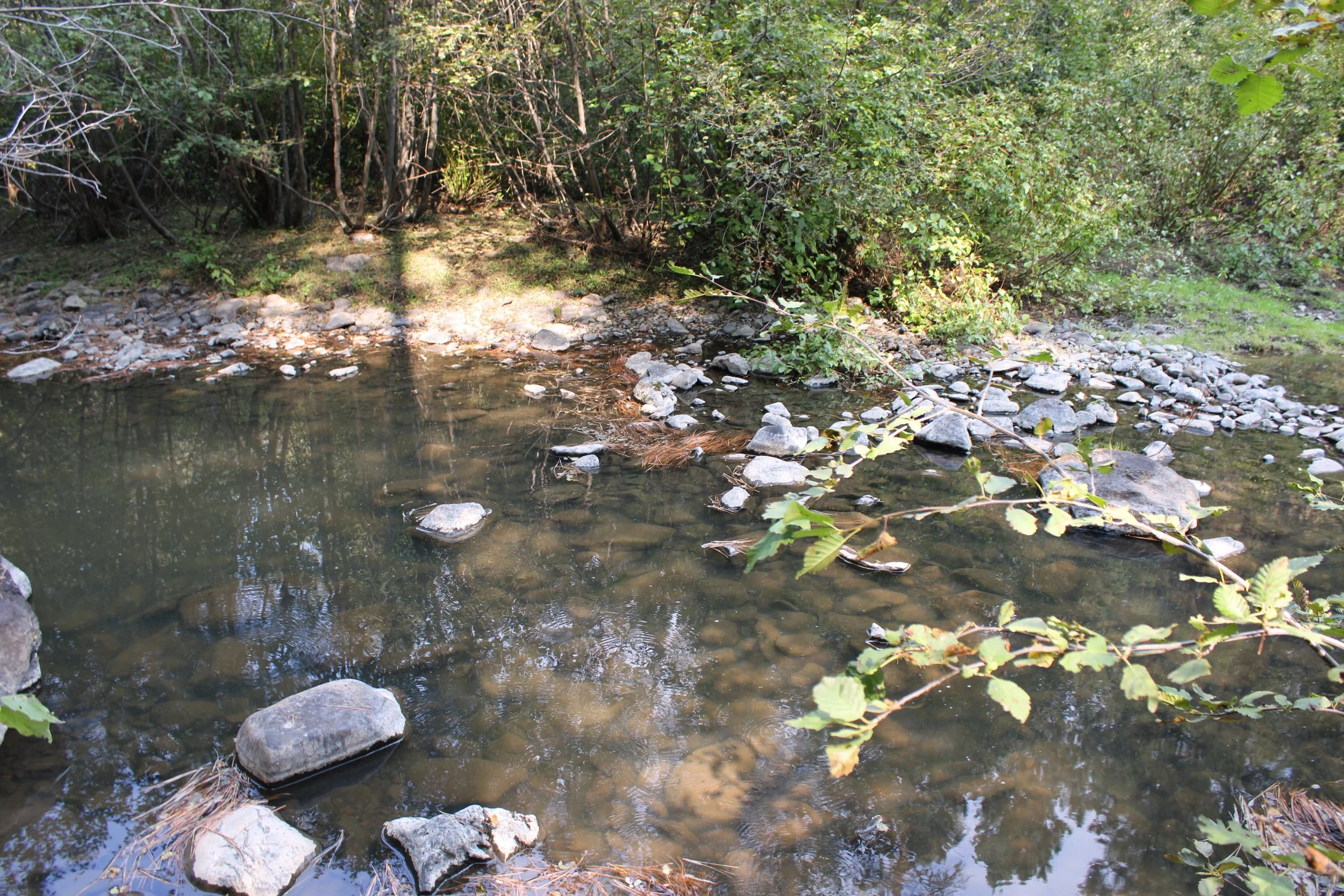 Image 9 of 21
 Image 10 of 21
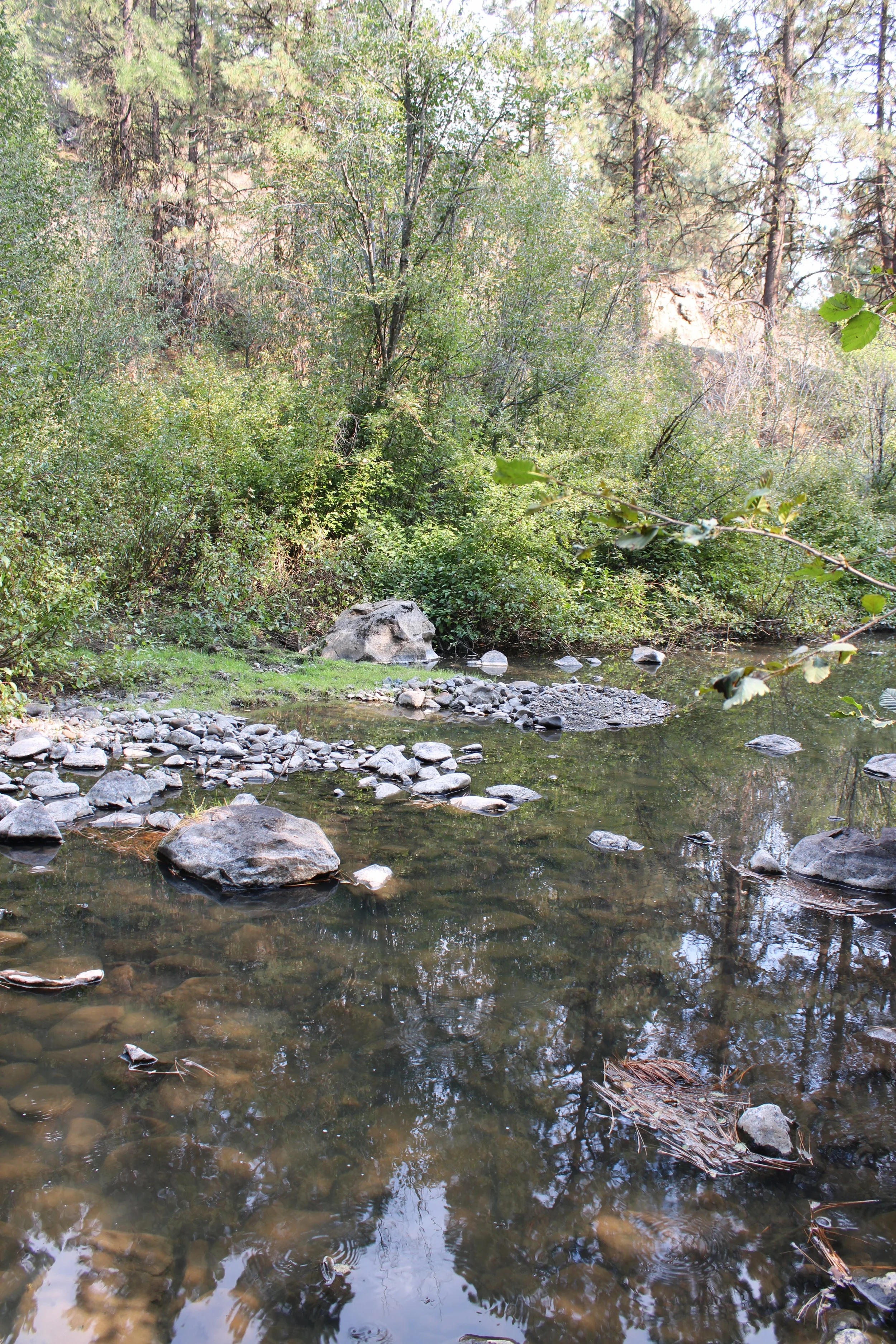 Image 11 of 21
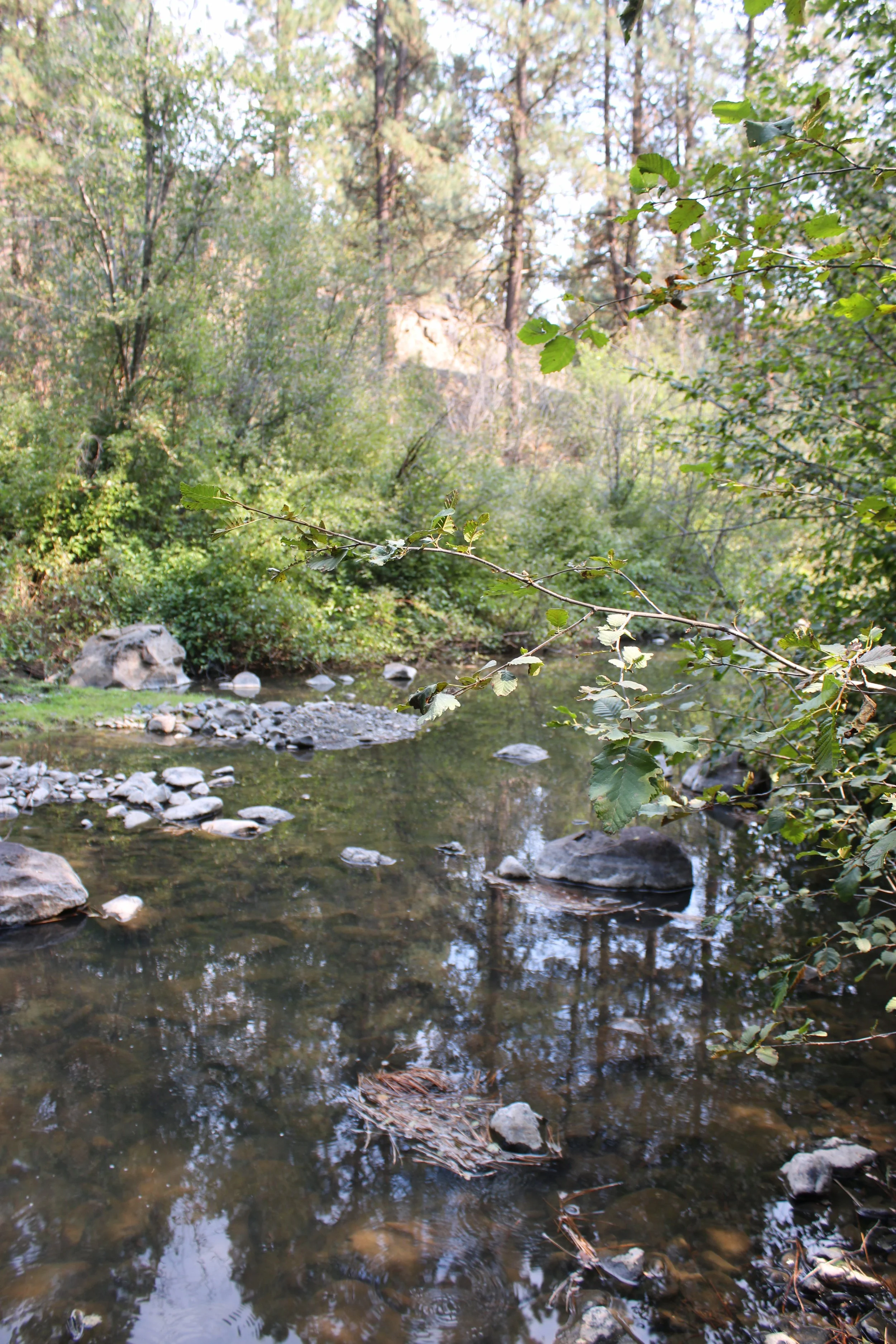 Image 12 of 21
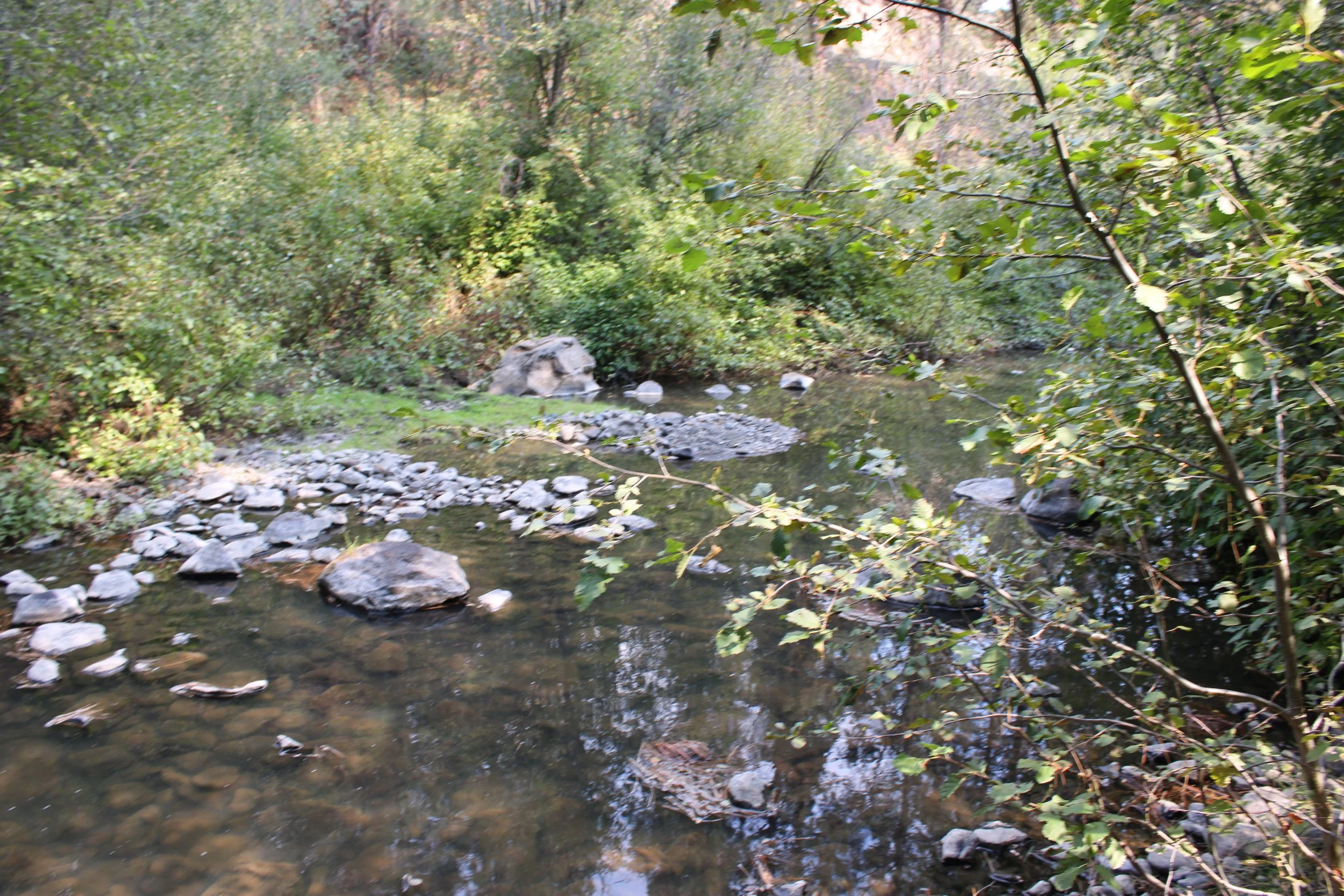 Image 13 of 21
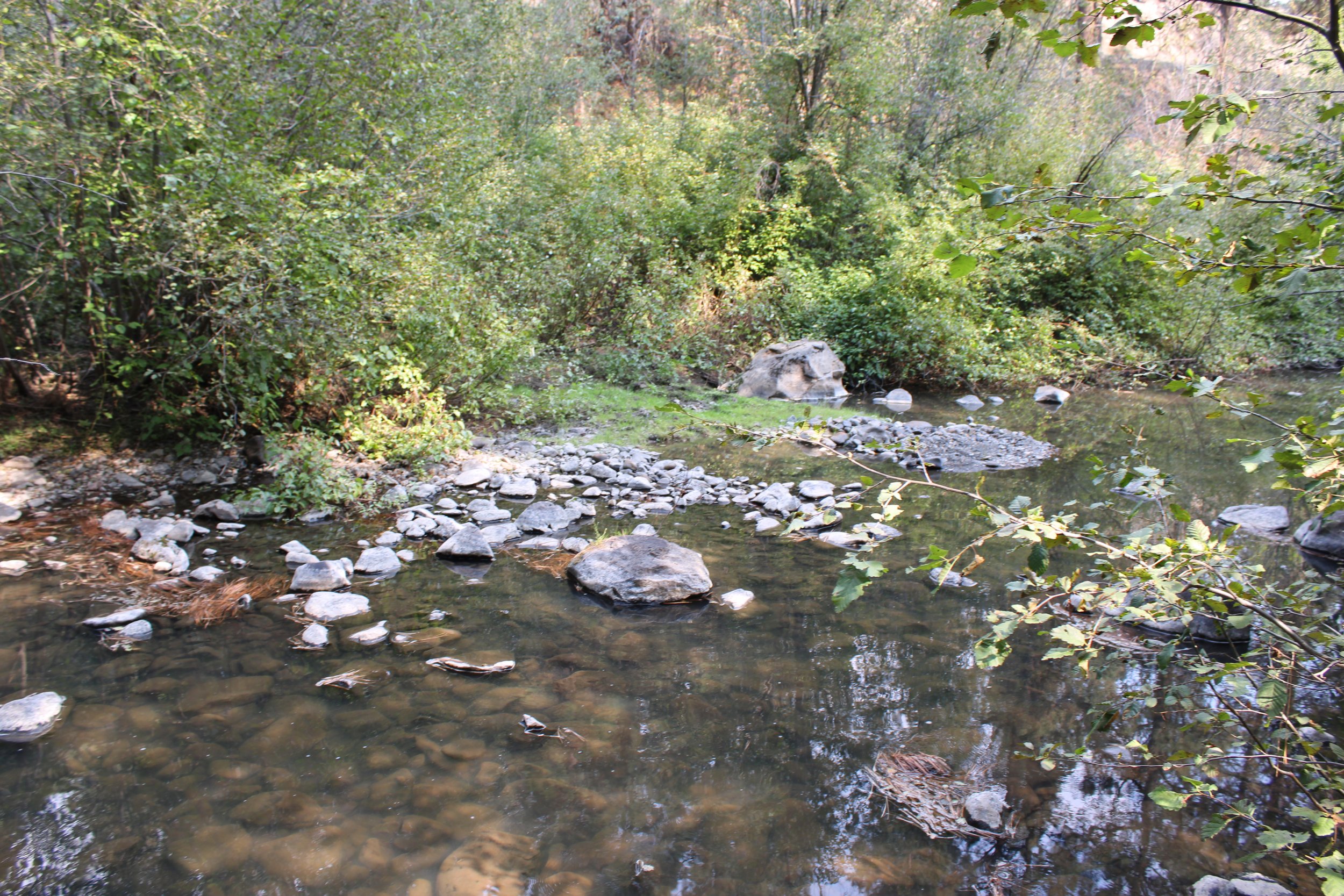 Image 14 of 21
 Image 15 of 21
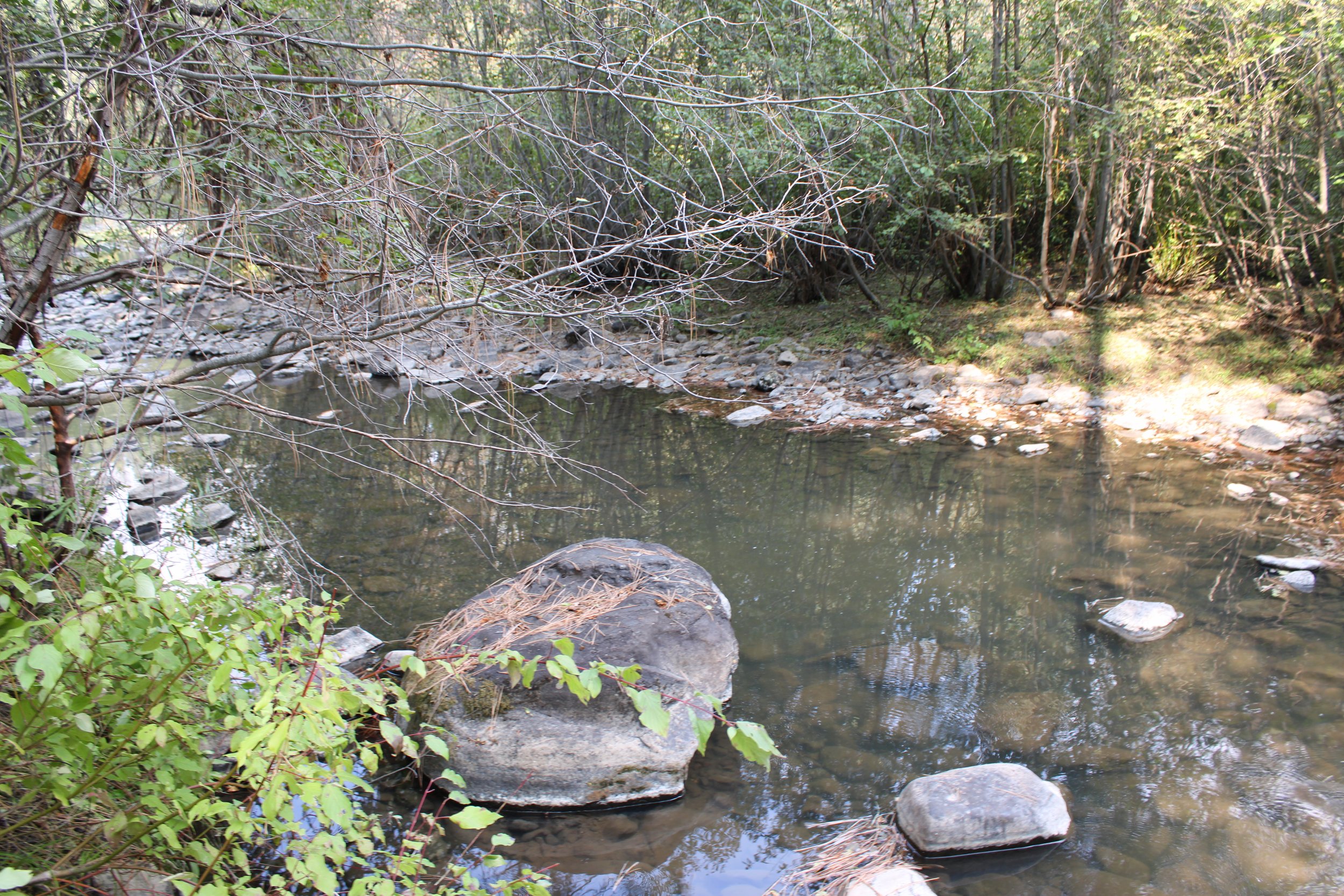 Image 16 of 21
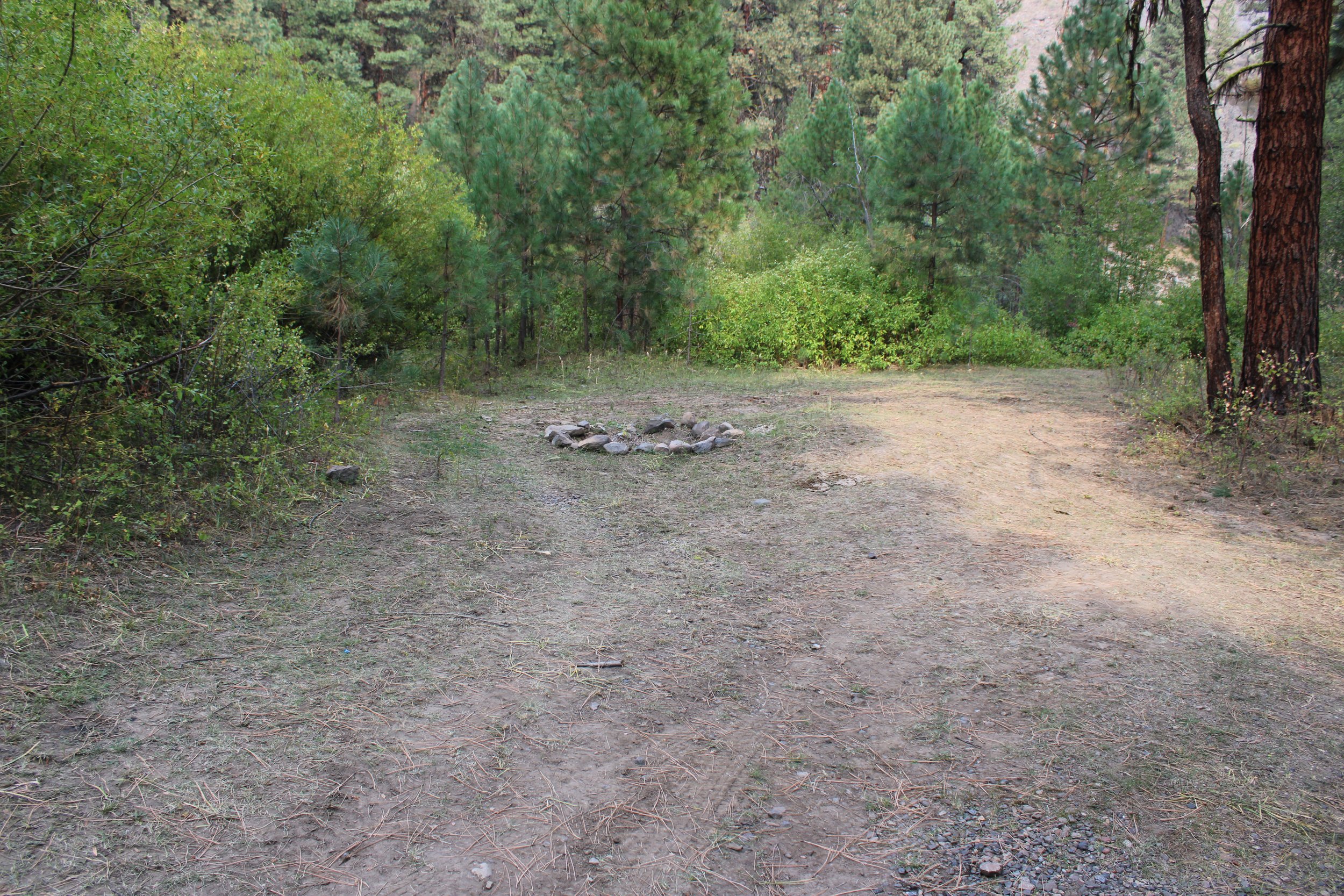 Image 17 of 21
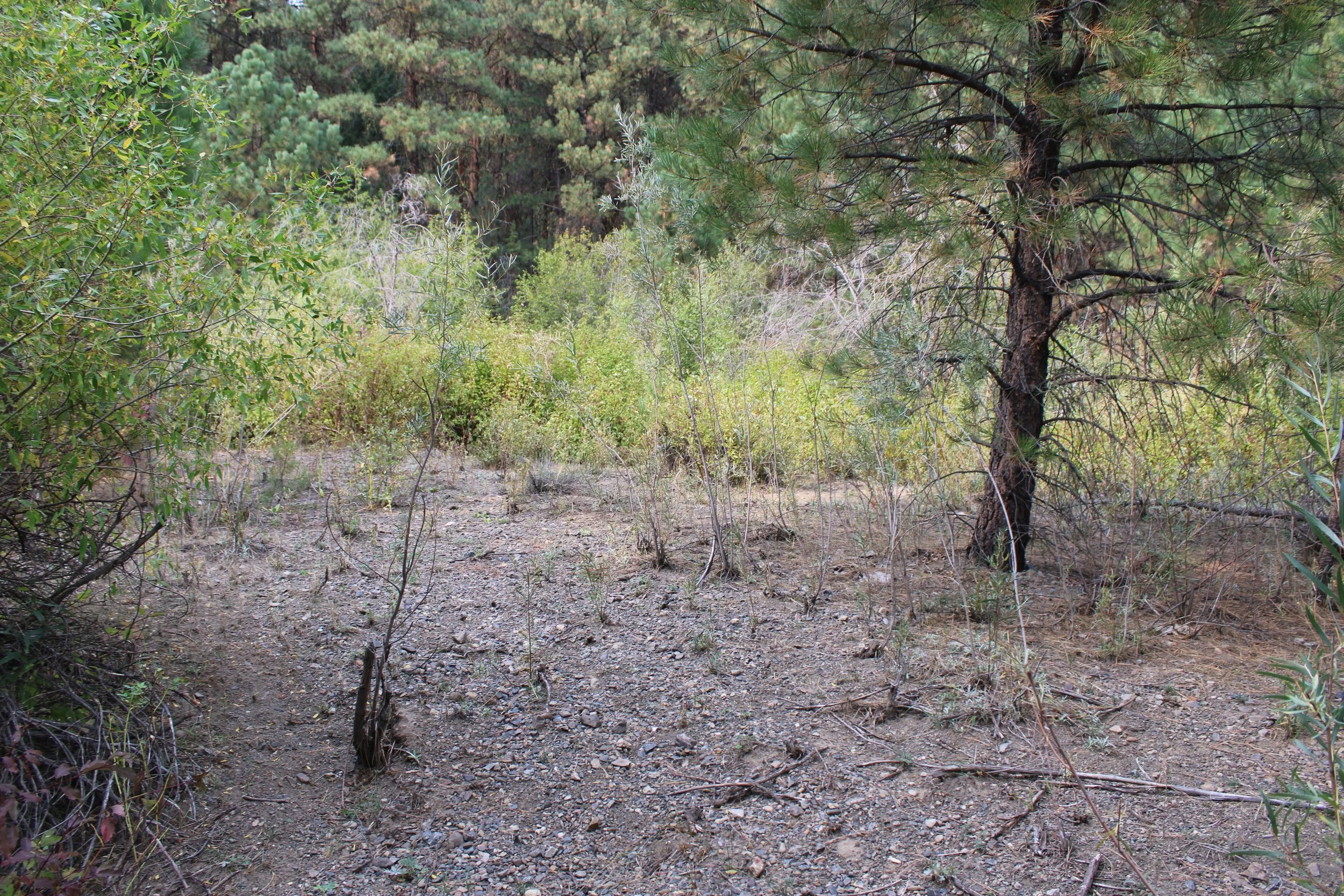 Image 18 of 21
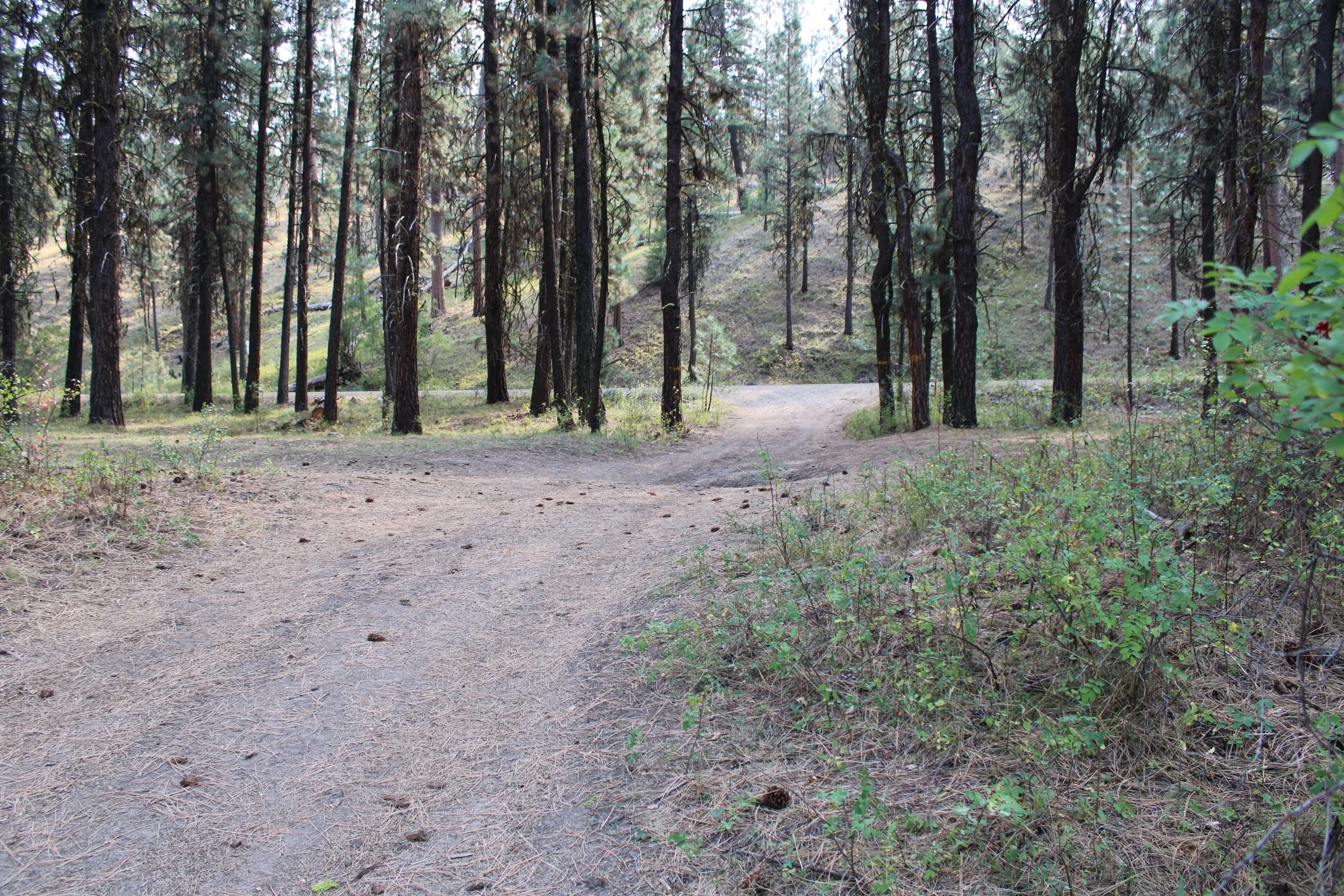 Image 19 of 21
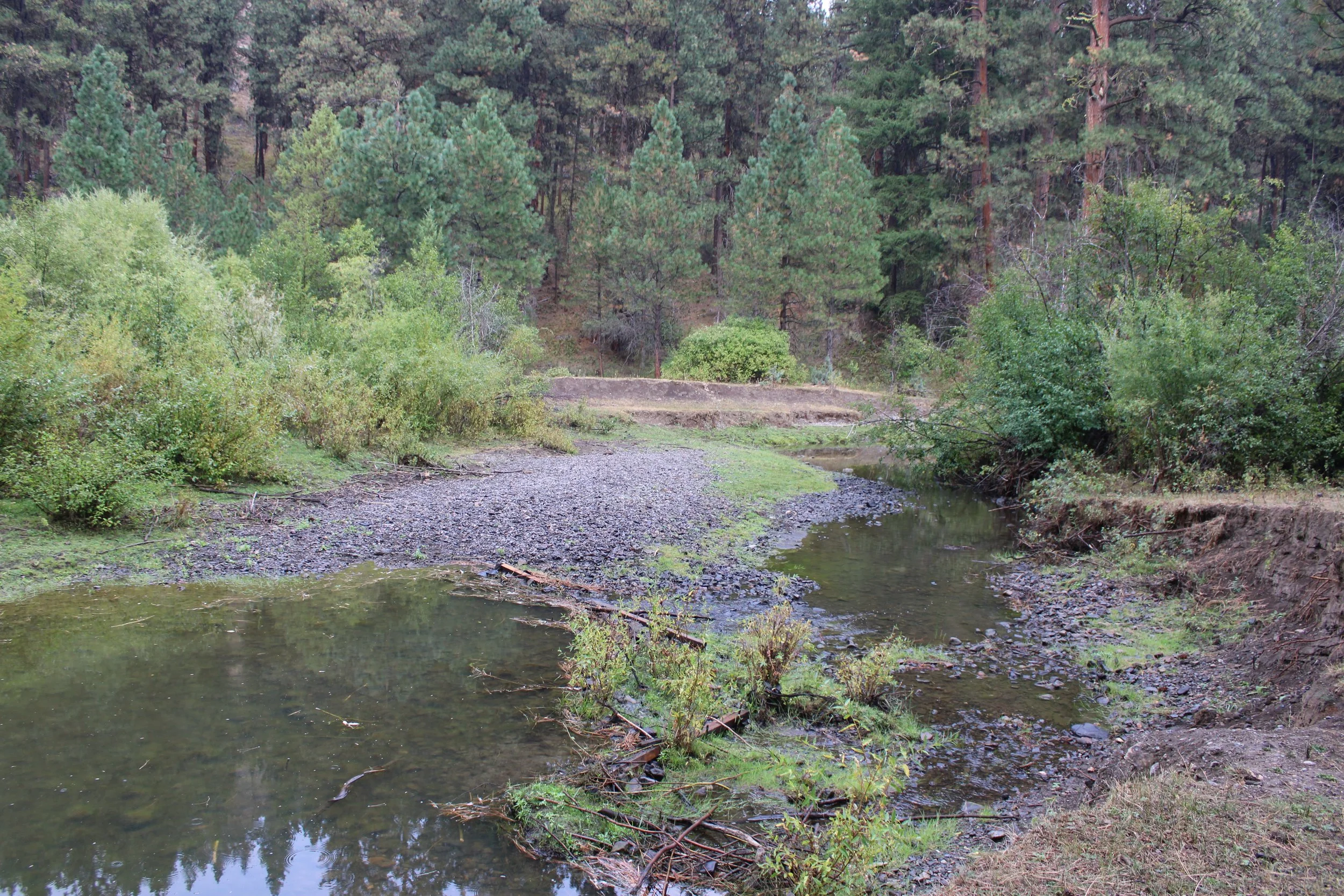 Image 20 of 21
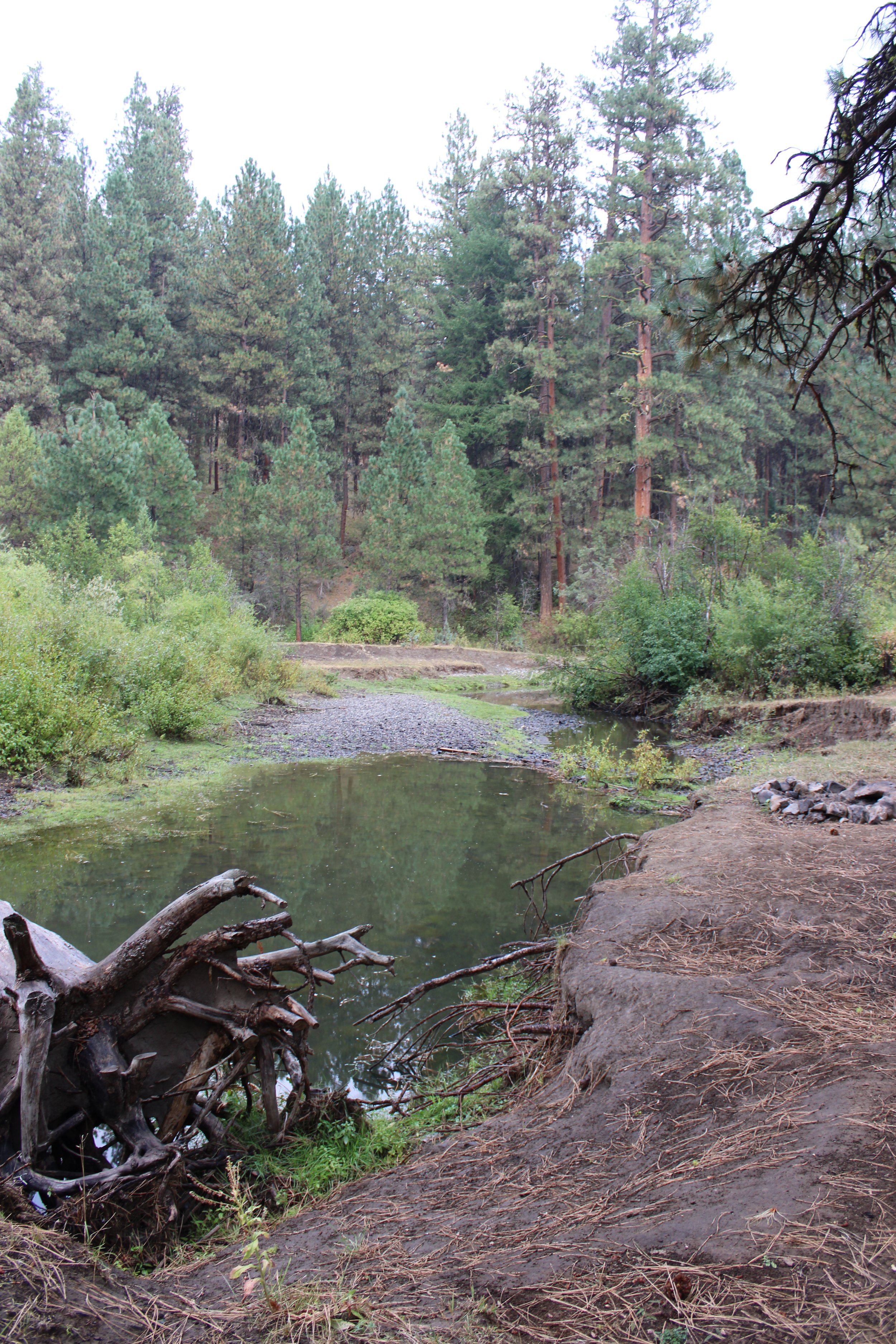 Image 21 of 21